HacknPlan vs Jira
When Jira feels heavy, HacknPlan feels like home
If your team does not need enterprise-level process complexity and wants a workflow made for game development, HacknPlan gives you clarity, speed, and focus from day one.
Why teams switch
Jira is powerful, but not every studio needs that much machinery
Too much setup before real work
Jira can be powerful, but many game teams lose momentum in configuration and process tuning instead of getting back to building gameplay.
Game design and production split apart
When design docs and task tracking live in separate tools, scope drift and misalignment become constant background noise.
Planning becomes admin-heavy
Leads end up maintaining boards and workflows for the tool itself, rather than making fast production decisions.
What you get with HacknPlan
A production system made for shipping games
Built for game production out of the box
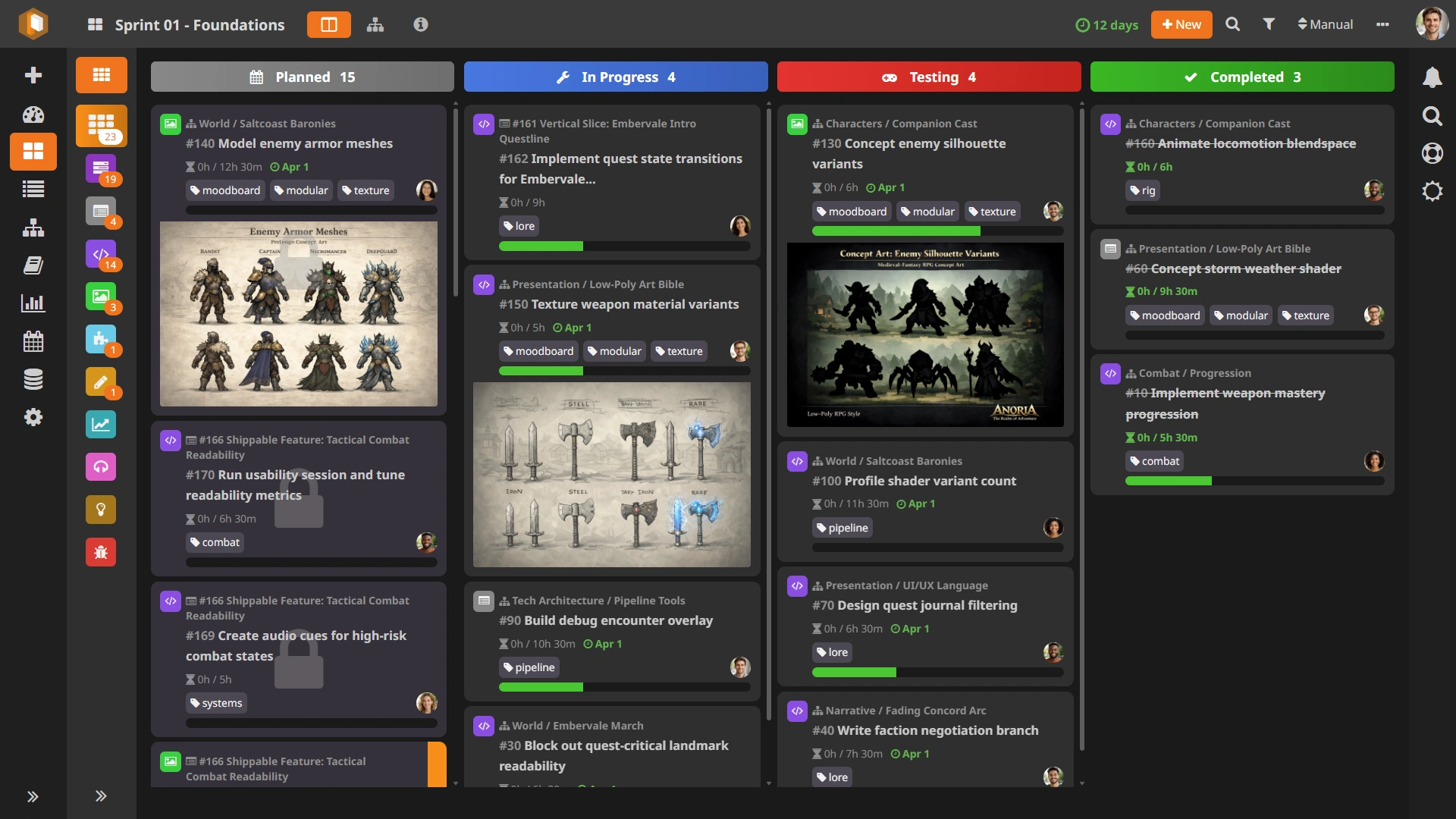
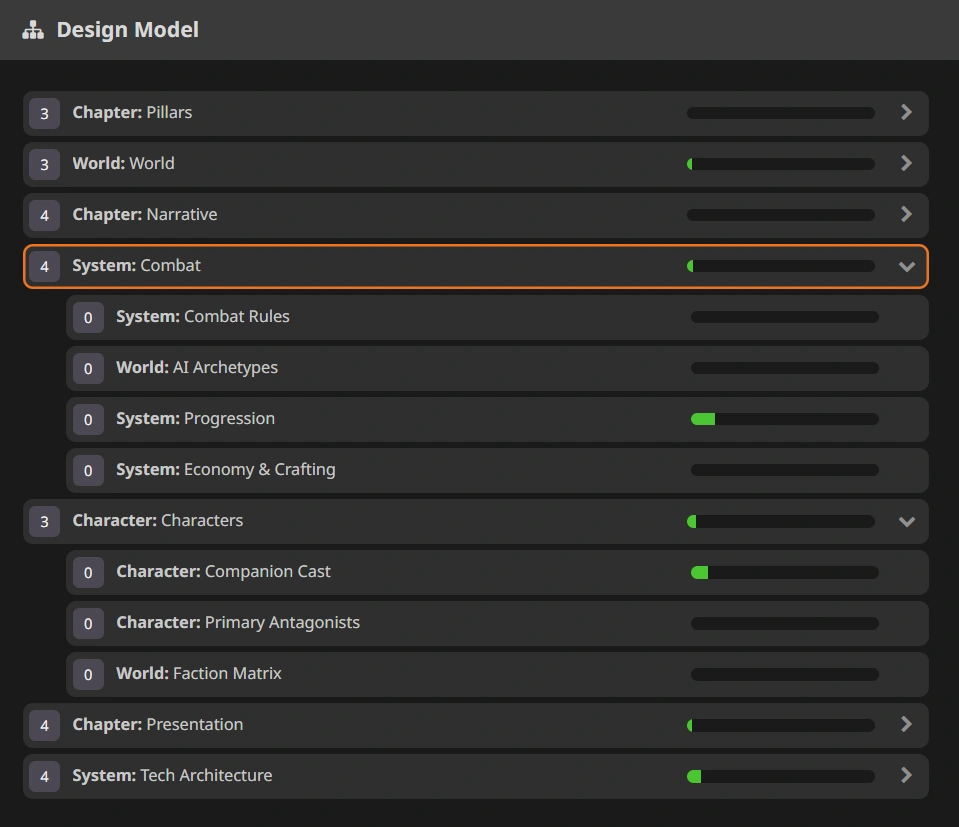
HacknPlan connects game design context directly to execution, so your team can move from idea to implementation without stitching together extra systems.
Discipline-first workflow
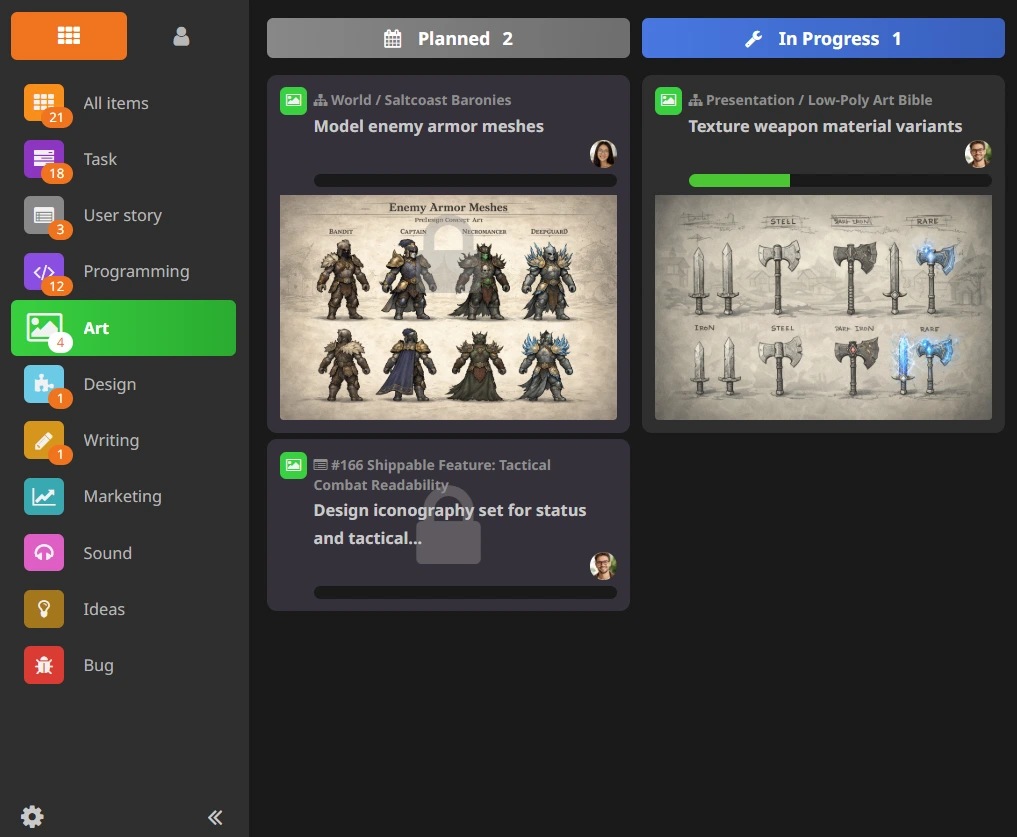
Artists, programmers, designers, and QA can keep focused views while production still gets one unified picture of progress and blockers.
Clear roadmaps without extra complexity
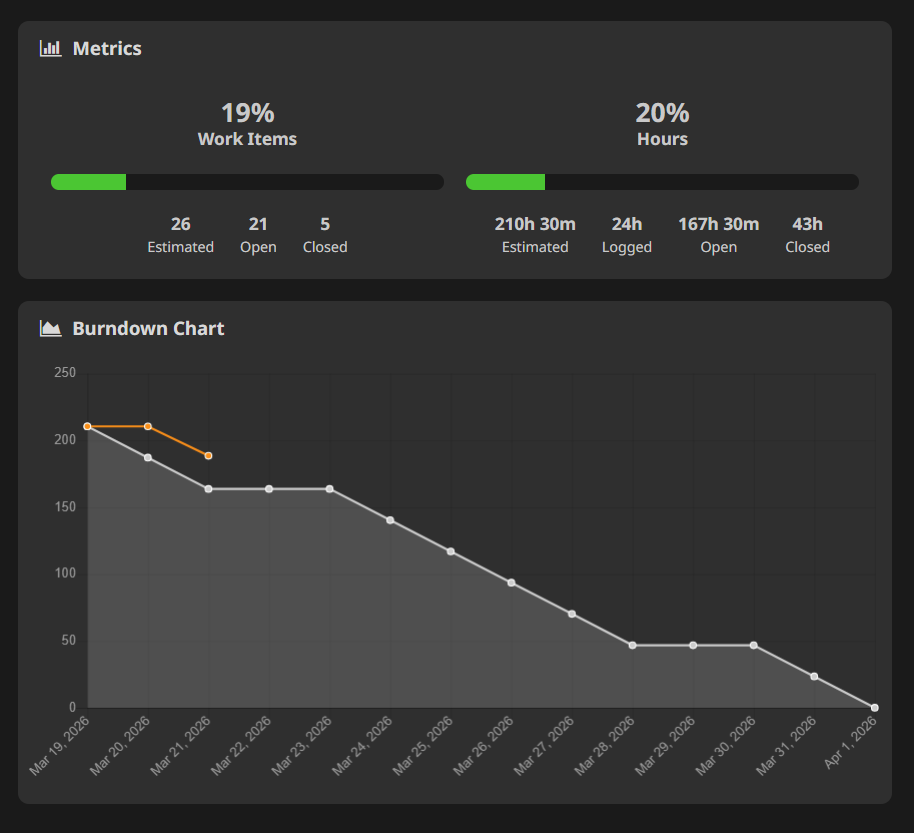
Milestones, boards, dependencies, burndown, and Gantt-style planning are already aligned to how game teams schedule and ship.
At a glance
HacknPlan vs Jira for practical game development needs
Based on the analyzed comparison source, both platforms are capable. The real difference is fit: Jira leads in ecosystem scale, while HacknPlan is purpose-built for game teams that want less complexity.
| Capability | Jira | HacknPlan | What this means for you |
|---|---|---|---|
| Sprint boards and dependencies | Strong and mature | Strong and game-team friendly | Both work. HacknPlan stays simpler for day-to-day production. |
| Integrated game design model | External Confluence or another documentation tool | Native and directly linked to tasks | HacknPlan helps avoid disconnect between design and execution. |
| Discipline-based production views | Possible with setup | Native category and sub-board structure | HacknPlan maps better to real studio roles. |
| Reporting for delivery confidence | Burndown and timeline capabilities | Burndown + explicit Gantt workflow | Both can report progress. HacknPlan is more direct for game milestones. |
| Integration marketplace breadth | Very broad ecosystem | Focused native integrations + API and webhooks | Choose Jira for massive marketplace depth; choose HacknPlan for focused game production flow. |
Expected outcome
What changes after you move
Choose the tool that matches your team, not the other way around
Jira is a solid platform, especially for teams that need broad enterprise ecosystems. But if your priority is to keep game production simple, aligned, and fast, HacknPlan is the better fit.